
Why Is My Foot Wound Not Healing?
Quick answer: A foot wound often won’t heal because blood flow is limited, pressure keeps re-injuring the area, infection is developing, blood sugar is high (common with diabetes), or the wound is deeper than it appears. If it isn’t clearly improving within 1–2 weeks—or sooner if you have diabetes, numbness, spreading redness, drainage/odor, increasing pain, fever, or a cold/pale foot—get medical evaluation promptly.
Why is my foot wound not healing? The most common reasons
When a wound stalls, it’s usually because one (or more) of the basics of healing is missing: adequate circulation and oxygen, a clean wound bed, protection from repeat trauma, and the right moisture balance.
Poor circulation is a major reason wounds linger on feet. Peripheral artery disease and other circulation problems can limit oxygen delivery, so the body can’t build healthy new tissue efficiently.
Pressure and friction are especially relevant on the foot. Even a small sore can be repeatedly stressed every time you stand or walk. If the wound is on the bottom of the foot, pressure can prevent closure unless the area is properly “offloaded” (protected from weight-bearing and rubbing).
Infection can keep a wound inflamed and stop it from progressing through normal healing. Infection isn’t always dramatic; it may show up as spreading redness/warmth, swelling, increasing pain, pus or persistent drainage, foul odor, or a wound that won’t shrink. (General guidance on skin/wound infection warning signs: CDC.)
Diabetes and neuropathy commonly contribute in two ways: elevated glucose can impair immune function and tissue repair, and neuropathy (numbness) makes it easy to keep walking on an injury without realizing it. If you suspect numbness, see neuropathy symptoms in feet to watch for.
Depth or “hidden” damage is another frequent issue. A small opening can track deeper under the skin, or a blister/callus can conceal a larger problem underneath—especially on weight-bearing areas.
What to do now: a simple decision tree
- A) Low-risk, superficial wound (home care + monitor)
- Small, shallow scrape/blister that is not gaping, not a puncture, and has no spreading redness, pus, bad odor, fever, or increasing pain.
- You have good sensation and circulation (no known diabetes with neuropathy, no known severe vascular disease).
- Plan: rinse with clean water, cover with a clean dressing, minimize rubbing/pressure, and check it daily for size, drainage, and redness.
- B) Same-week appointment is a good idea if any apply
- The wound is on the bottom of the foot or keeps reopening from walking/footwear.
- You have diabetes, numbness/neuropathy, poor circulation, immune suppression, or you’re on dialysis.
- The wound is larger than a typical minor scrape, looks deep, has a callus rim, or you can’t tell how deep it goes.
- It’s not clearly improving within 1–2 weeks despite basic care and pressure reduction. (Diabetic foot guidance emphasizes early assessment and ongoing monitoring for ulcers: International Working Group on the Diabetic Foot (IWGDF) Guidelines.)
- C) Urgent care / emergency evaluation now if any apply
- Spreading redness, warmth, swelling, rapidly increasing pain, pus, foul odor, red streaking, or fever/chills.
- Black/gray tissue, a suddenly pale/cold foot, severe pain at rest, or new numbness/weakness.
- Exposed fat/tendon/bone, a deep puncture (especially through a shoe), or you suspect a retained foreign body.
- Diabetes plus an open sore with signs of infection or any rapid worsening.
What you can do at home (and what to avoid)
For minor, superficial wounds, basic first aid can help while you monitor for improvement. Gently rinse with clean water, keep the wound covered with a clean dressing, and protect it from rubbing. If the wound is on a weight-bearing area, reducing pressure (resting, changing footwear, or using an offloading device recommended by a clinician) can be the difference between healing and stalling.
Avoid common pitfalls that delay healing: soaking the foot for long periods (can macerate skin), using harsh chemicals in the wound (which can damage healthy tissue), and trimming callus or dead skin yourself—especially if you have diabetes or numbness. Also avoid continuing the activity or footwear that created the wound in the first place.
If you’re unsure whether your wound care approach is appropriate, a structured overview of fundamentals is in wound care basics for faster healing.
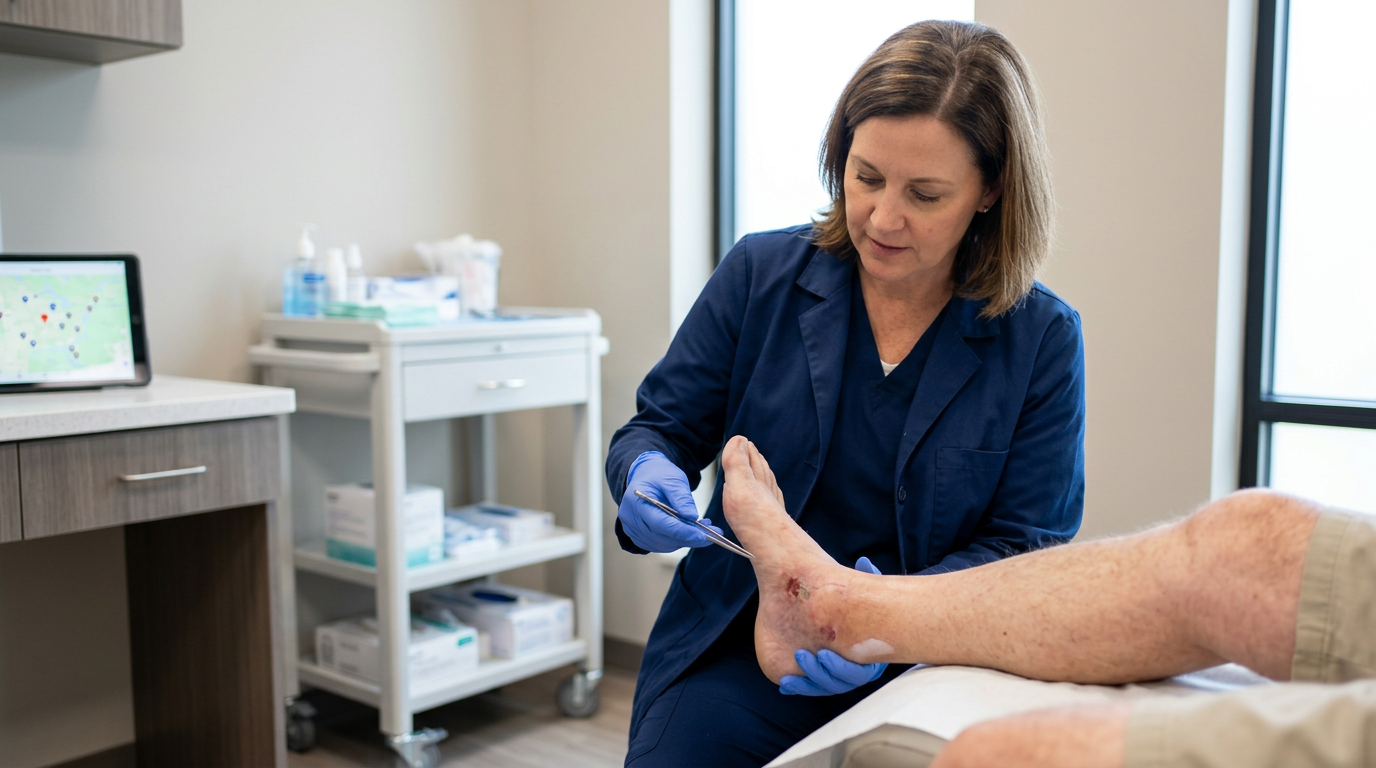
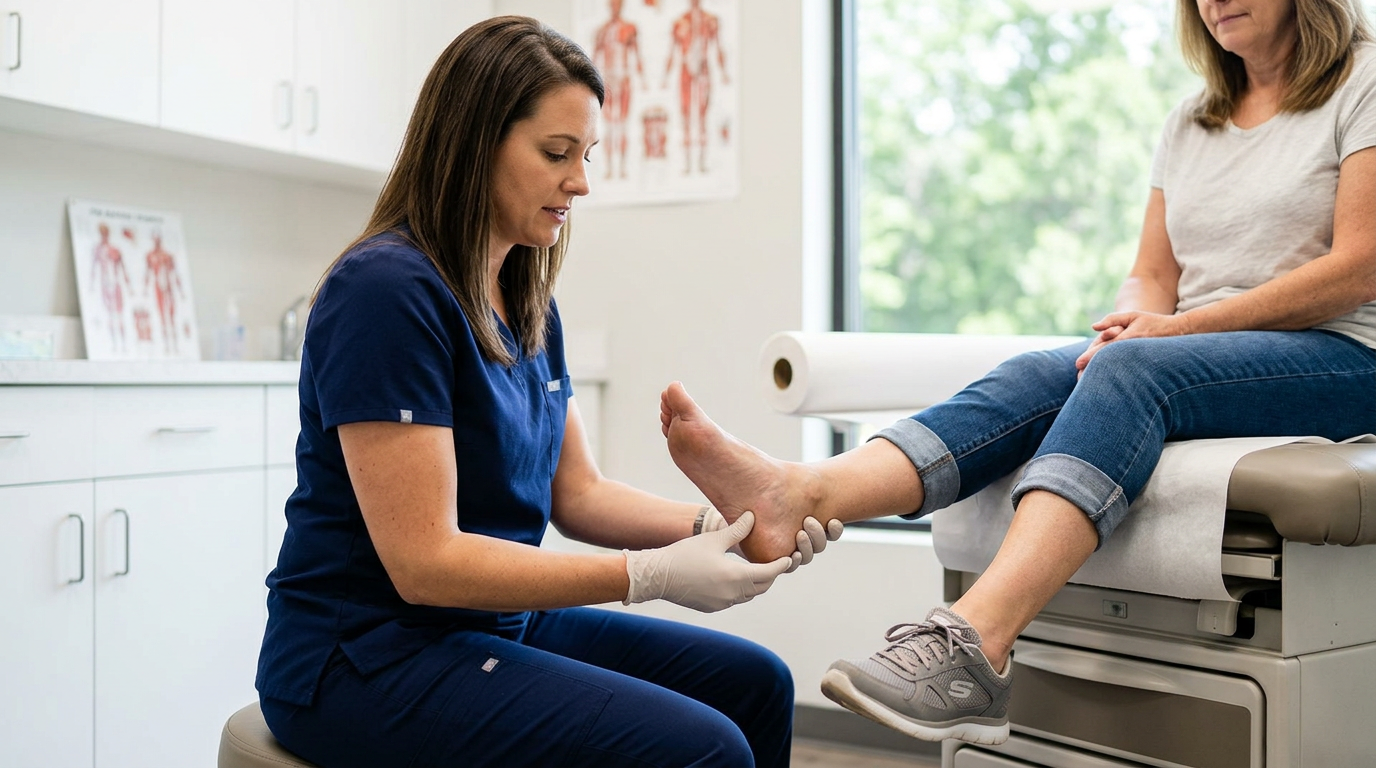
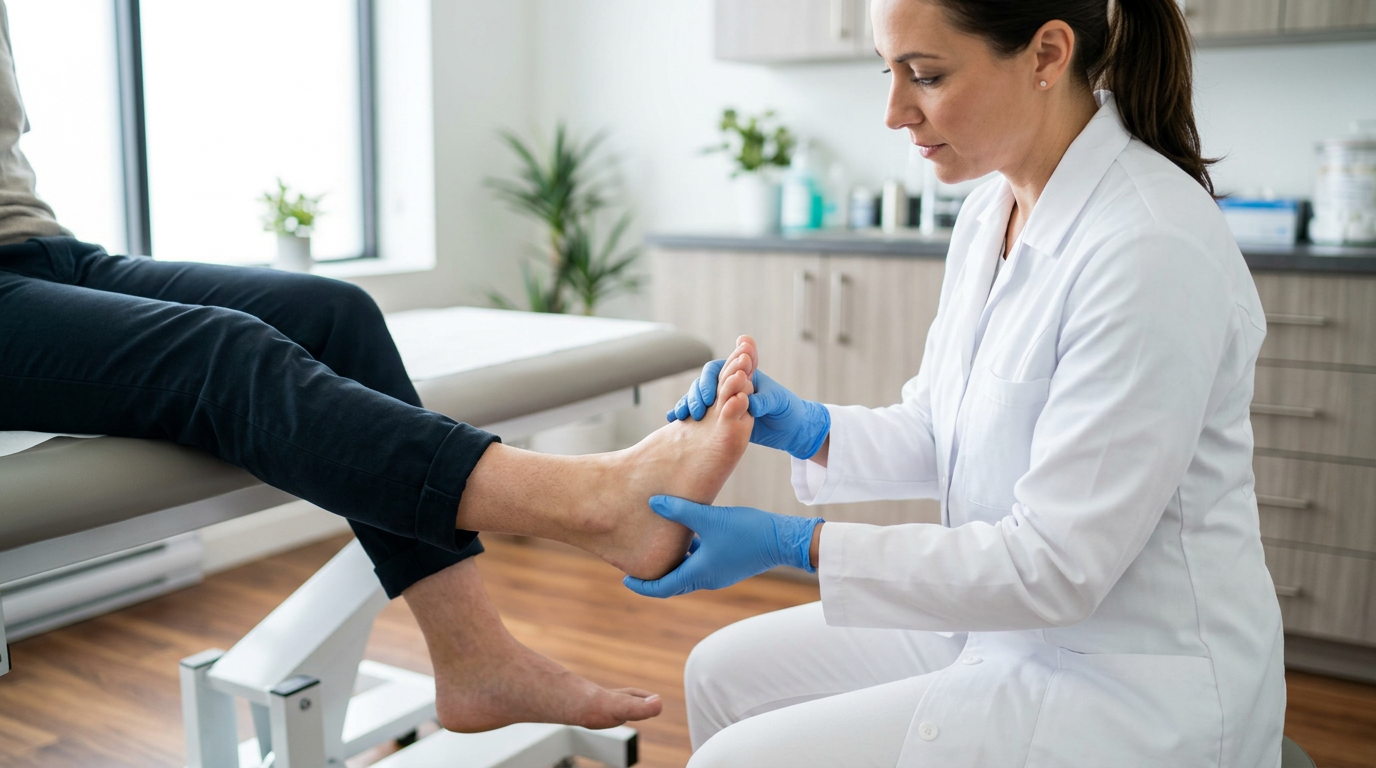
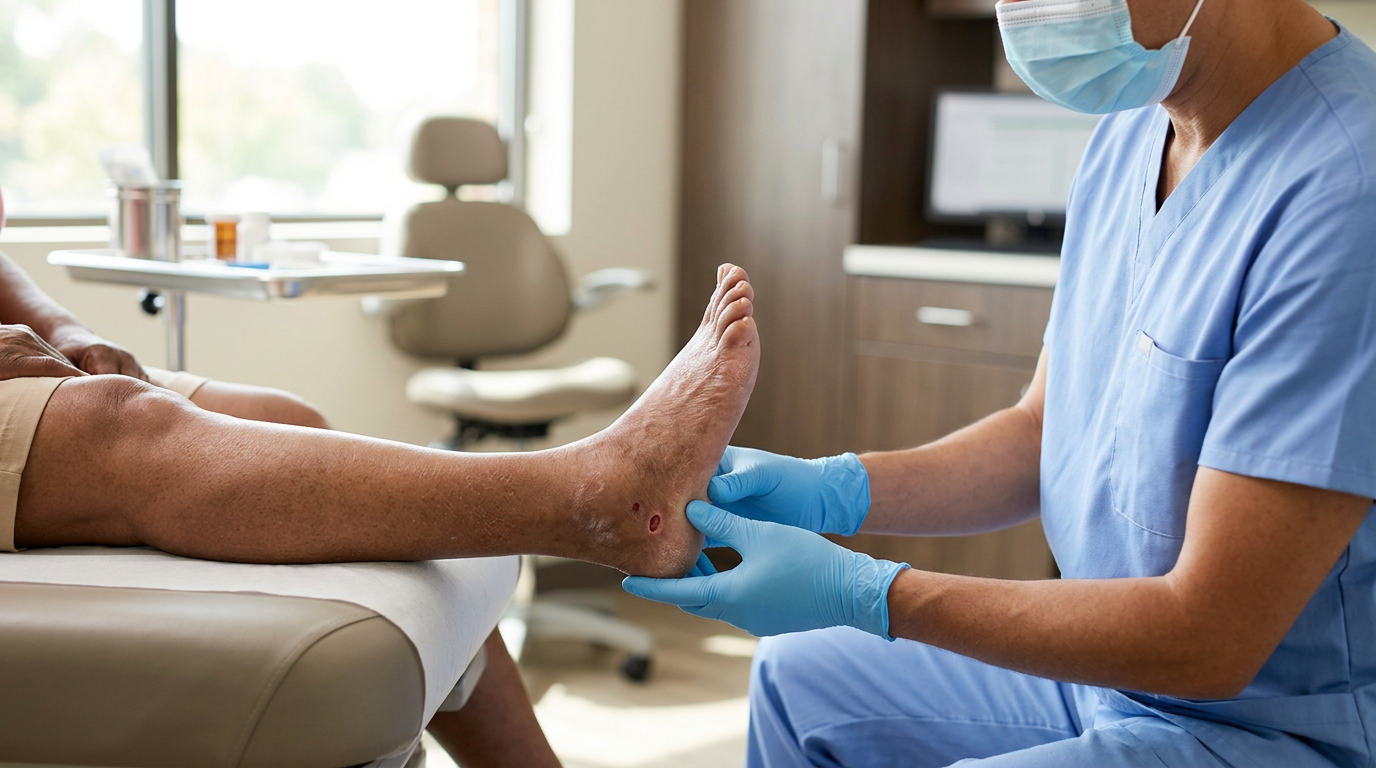
What to expect at a podiatry/wound-care visit for a non-healing foot wound
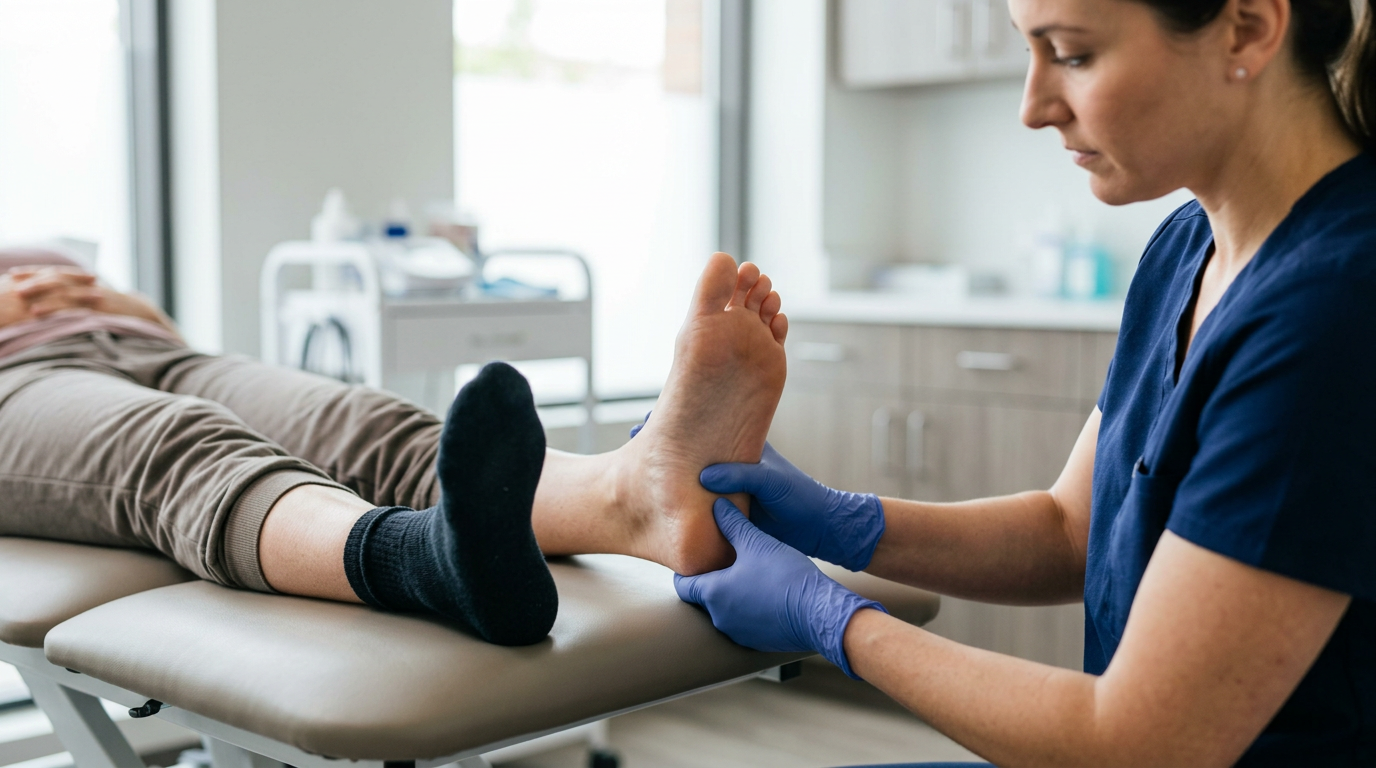
In general, an evaluation focuses on finding the specific barrier to healing and addressing it in a step-by-step way. Depending on the wound and your risk factors, a visit commonly includes:
- History + wound exam : how it started, how long it’s been present, pain level, drainage/odor, prior treatments, footwear/activity triggers, and measurement of size/depth and surrounding callus/skin changes.
- Circulation (vascular) assessment : checking pulses and capillary refill, and—when poor blood flow is suspected—noninvasive testing such as an ankle-brachial index (ABI) and/or toe pressures (toe pressures are often more reliable when arterial calcification is a concern). If results suggest significant arterial disease, referral for vascular evaluation may be recommended.
- Infection assessment : looking for local and systemic signs of infection. If infection is suspected or the wound is deep/not improving, clinicians may consider labs, imaging (for example, X-ray to look for bone involvement/foreign body; advanced imaging if osteomyelitis is a concern), and obtaining a culture when appropriate (often from deeper tissue after cleaning/debridement rather than a surface swab).
- Pressure/offloading plan : identifying pressure points and choosing an offloading strategy matched to the wound location and stability needs (examples can include felt padding, removable walking boots, specialty shoes/inserts, or other offloading approaches). Offloading is especially important for plantar (bottom-of-foot) wounds.
- Wound-bed management : selecting dressings based on drainage level and tissue quality, and performing debridement when indicated to remove nonviable tissue and reduce callus burden.
- Follow-up cadence : many non-healing or high-risk foot wounds require close follow-up (often weekly at first) to re-measure the wound, adjust offloading/dressings, and confirm the wound is trending smaller.
If you’re looking for the services Cure Podiatry and Wound Care provides related to these issues, see the Wound Care page and the early signs of diabetic foot ulcers guide.
Get Cure Podiatry and Wound Care first on Google. Add us as a preferred source and Google will show more of our content in your Top Stories and AI results. Add Cure Podiatry and Wound Care as a preferred source on Google →