
Noticing a small change on your foot can feel easy to brush off, especially if you have diabetes and reduced sensation. But early warning signs of diabetic foot ulcers matter because small skin problems can progress into deeper wounds when pressure, friction, or poor circulation are involved. This guide is for people living with diabetes, caregivers, and anyone who helps with daily foot checks. You’ll learn what red flags to look for, why they’re important, and what to do next—without panic or guesswork. As spring routines pick up and you’re on your feet more, consistent checks and quick action can help you stay ahead of problems and focus on diabetic foot care.
Key Warning Signs at a Glance
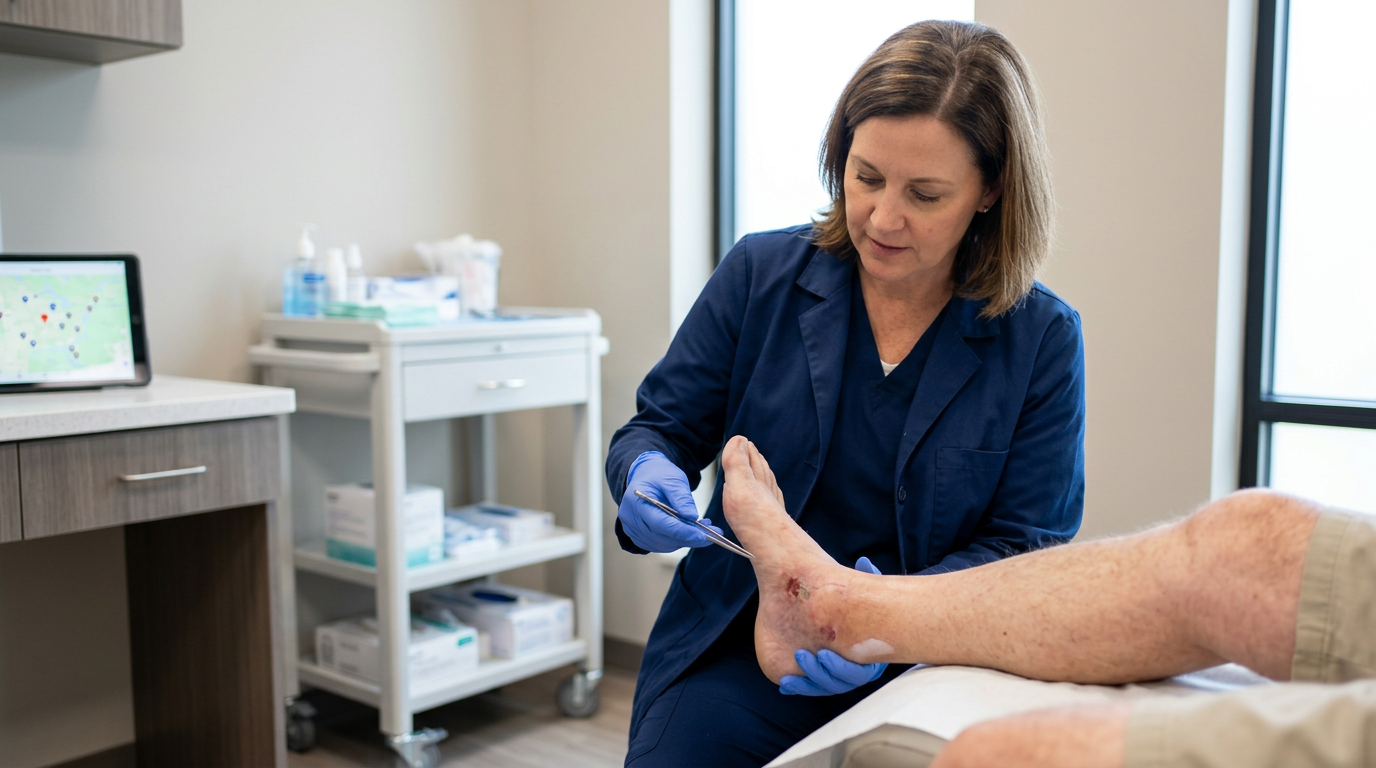
- New redness, warmth, or swelling can signal irritation, infection, or pressure damage starting under the skin.
- Blisters, calluses, or cracks may look minor but can break down into open areas, especially in high-pressure spots.
- Drainage, staining, or odor on socks or bedding is often an early clue that skin has opened or become infected.
- Skin color changes (dusky, pale, or darkened areas) can suggest circulation issues or tissue stress.
- Pain—or no pain at all can both be concerning; neuropathy may hide a worsening problem.
- A sore that isn’t improving over several days needs prompt medical attention.
How Early Foot Wounds Develop in Diabetes
Foot ulcers often start with a simple trigger: pressure from walking, rubbing from shoes, or a small cut. In diabetes, a few common factors can make these triggers more risky:
- Reduced sensation (neuropathy): You may not feel a hot spot, blister, or small injury, so it keeps getting irritated.
- Circulation changes: Lower blood flow can slow skin repair and make tissue more vulnerable.
- Skin changes: Dryness and cracking can create openings that let bacteria in.
- Foot shape and pressure points: Bunions, hammertoes, or prominent bones can concentrate pressure in one area.
The goal of early detection is simple: catch the “pre-ulcer” stage—redness, callus buildup, cracking, or drainage—before a deeper wound forms.
Why Timing Matters with Foot-Ulcer Red Flags
Waiting can raise the stakes because ongoing pressure and bacteria can turn a surface issue into a deeper wound. Practical impacts may include:
- More complex care: Early issues may be addressed with offloading, shoe changes, and targeted wound care, while advanced wounds can require more intensive treatment.
- Higher infection risk: Open skin can allow infection to spread into deeper tissues.
- More time off your feet: Protecting a wound often means activity changes, which can disrupt work and daily routines.
- Greater costs over time: Delayed care can lead to more visits, supplies, and longer treatment plans.
Prompt attention doesn’t guarantee a specific outcome, but it can improve the chances that care stays simpler and more manageable.
A Practical Action Plan for Early Warning Signs
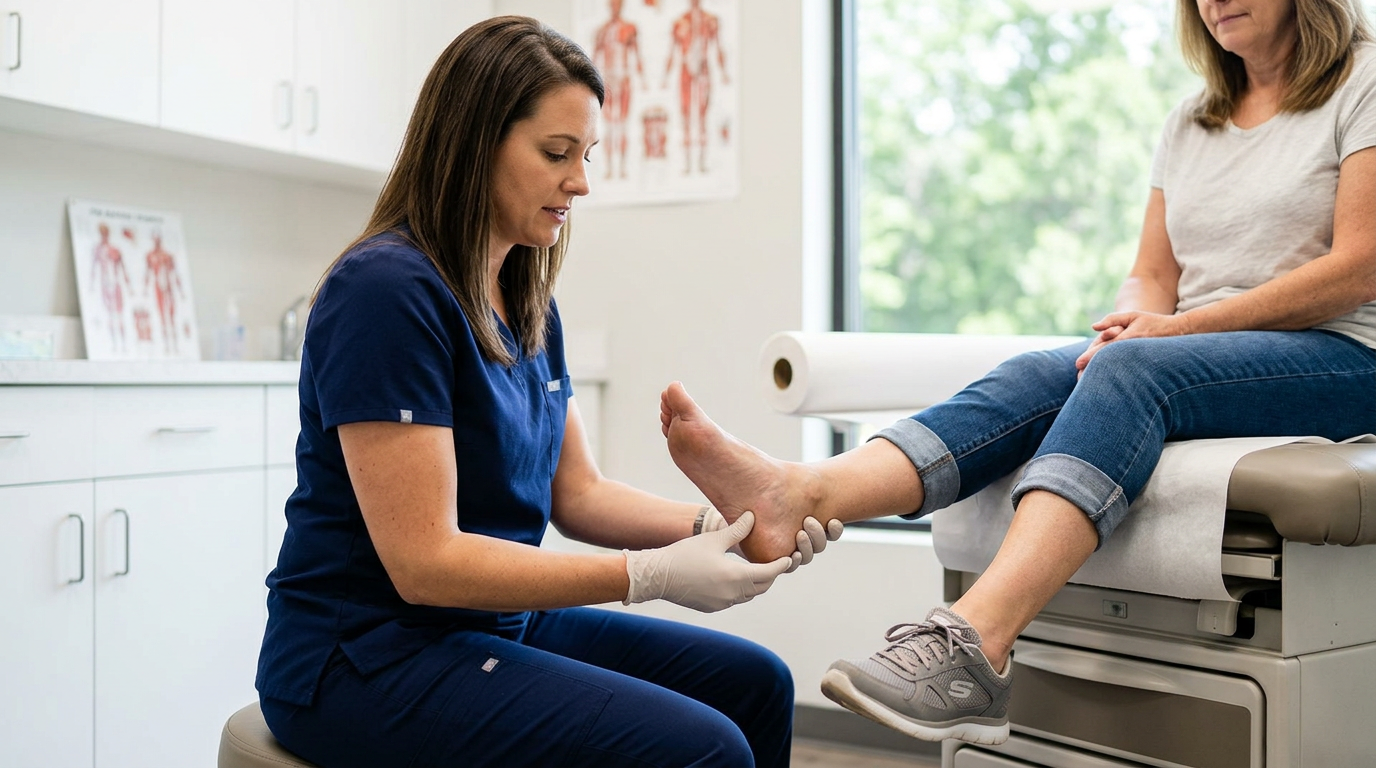
- Check feet daily: Look at soles, heels, between toes, and around nails. Use a mirror or ask for help if needed.
- Act on redness right away: If you see a “hot spot,” reduce pressure (limit walking, avoid the rubbing shoe) and monitor closely.
- Keep skin clean and dry: Wash gently, dry carefully (especially between toes), and moisturize dry areas (avoid lotion between toes unless advised).
- Protect, don’t pick: Cover minor skin openings with a clean dressing and avoid digging at the area.
- Switch to safer footwear: Choose shoes with room in the toe box and socks that don’t bunch or rub.
- Document changes: Take a clear photo and note when you first saw it—helpful for tracking progression.
- Call for guidance early: If you’re unsure whether a spot is serious, it’s reasonable to ask a podiatry/wound care team what to do next.
When to Seek Medical Care for a Concerning Foot Change
Seek professional help promptly if you notice any of the following:
- Any open area on the foot, even if it looks small or painless
- Drainage, pus, or a new odor from the skin or a dressing
- Spreading redness, warmth, or swelling around a spot
- Blackened or dusky skin , or sudden color change in toes/foot
- Fever or feeling unwell along with a foot wound
- A sore that isn’t improving after a few days of protection/offloading
- New or worsening numbness , burning, or sharp pains
If you have diabetes and you’re not sure how urgent a foot issue is, it’s safer to get it evaluated than to wait and watch.
Common Questions Answered
What does an early foot ulcer look like?
It may start as redness, a blister, a cracked area, or a thick callus that becomes tender or begins to drain. Sometimes the skin looks intact on top while damage is developing underneath from pressure.
Why don’t some foot wounds hurt?
Diabetic neuropathy can reduce sensation, so a blister or open area may not be painful. That’s why visual checks are important even when you feel fine.
Should I use antibiotic ointment and a bandage?
For a minor skin opening, a clean dressing may help protect the area, but ongoing pressure and shoe friction still need to be addressed. If there is drainage, spreading redness, or you’re unsure what you’re seeing, get medical guidance.
Is it safe to remove calluses at home?
It’s generally safer to avoid cutting or scraping calluses yourself, especially if you have diabetes or poor circulation. Home trimming can accidentally cause a wound; a clinician can recommend safer options.
What’s the fastest way to reduce risk day to day?
Daily foot checks, properly fitting shoes, clean/dry skin care, and addressing hot spots immediately are practical steps. Regular foot exams can also help identify pressure points before they break down.
Taking Action Before a Small Issue Grows
Early warning signs—redness, callus buildup, drainage, or skin changes—are your cue to protect the area and reduce pressure quickly. Because sensation can be reduced, don’t rely on pain as your only signal. If you notice an open spot, signs of infection, or changes that aren’t improving, getting evaluated can help you understand your options and next steps. Consistent daily checks and smarter footwear choices are simple habits that can make a meaningful difference over time.
Call Cure Podiatry & Wound Care for Your Diabetic Foot Care
Cure Podiatry & Wound Care
provides quality podiatric care in a family-friendly setting. We pride ourselves in not only diagnosing and treating your wound, but also educating our patients.
Dr. Mahzoon
, an ABPM Board Certified Podiatrist with extensive experience in wound care provides excellent foot and ankle care. We will work closely with your primary care doctor and other specialists to formulate the best course of treatment. If you are in need of diabetic foot care,
contact us
to schedule an appointment at our Royston or Athens location.
Cure Podiatry & Wound Care
1135 Prince Ave
Athens, GA 30606
706-405-7773
https://www.curepodiatry.com/