
Wound Care Basics for Faster Healing
Knowing how to handle a cut, scrape, blister, or slow-healing sore can be the difference between a smooth recovery and a problem that drags on. This guide to wound care in Athens, GA is for beginners who want clear, practical steps, whether you’re caring for your own feet, helping a family member, or managing a recurring issue like friction blisters. It matters because wounds can worsen when they’re cleaned incorrectly, left too wet or too dry, covered with the wrong materials, or ignored when warning signs show up. As warmer weather brings more walking, sandals, and outdoor activity, small foot injuries tend to pop up more often, and they’re easier to manage when you know what to do first.
Key Points to Know First
- Clean gently, then protect: Rinse with clean running water, remove visible debris, and cover with a suitable dressing.
- Moist (not soggy) healing is usually the goal: Many wounds heal better when protected from drying out and cracking.
- Match the dressing to the wound: A blister, a shallow scrape, and a draining sore often need different coverage.
- Pain, spreading redness, swelling, odor, or pus are warning signs: Don’t “wait it out” if symptoms are escalating.
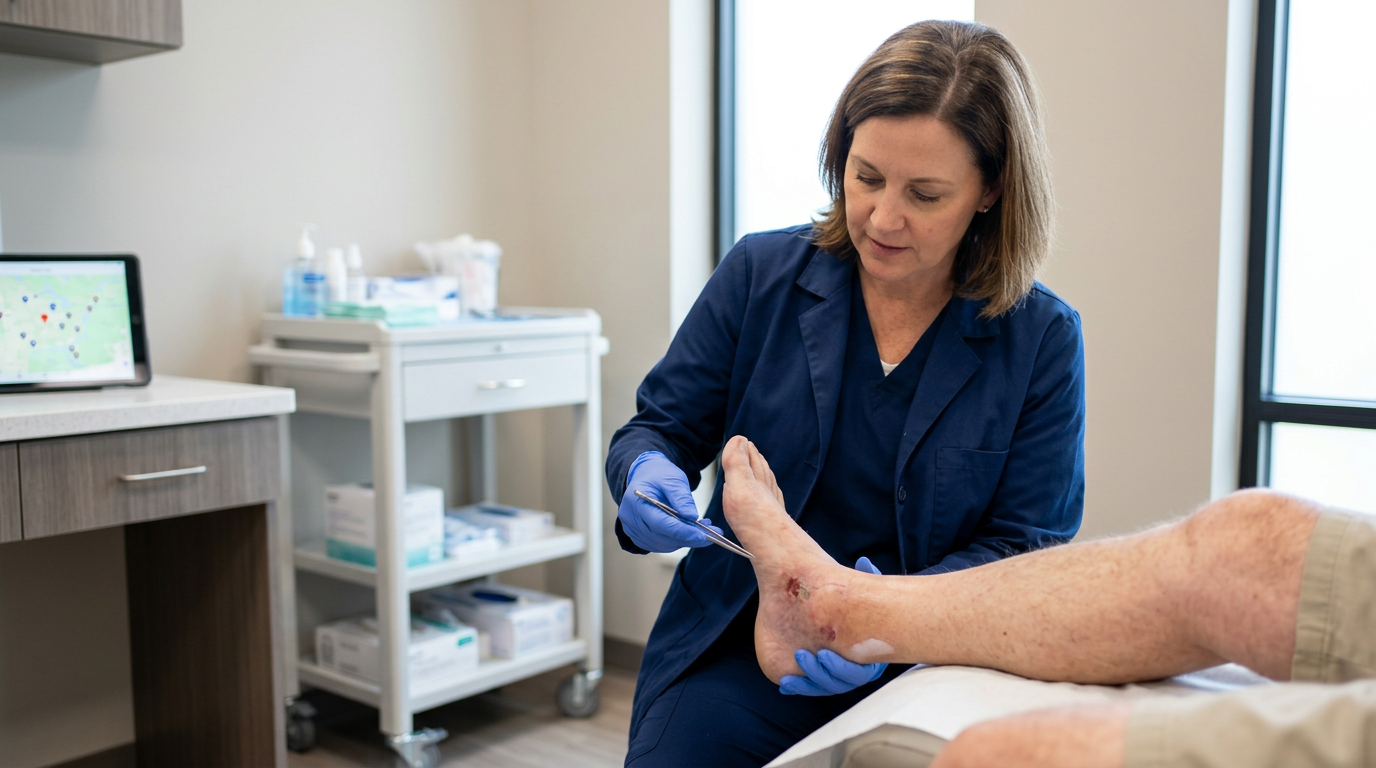
- Foot wounds need extra caution: Pressure and friction can keep reopening the area unless you reduce rubbing and load.
How Wound Care Basics Actually Work
At a beginner level, wound care is about creating the best environment for your body to repair skin. That usually involves four simple goals: clean the area, protect it from germs and friction, support healing with the right moisture balance, and monitor for changes.
- Cleaning: For most minor wounds, clean running water is a good start. The goal is to remove dirt and reduce contamination without scrubbing the tissue raw.
- Stopping bleeding: Gentle, steady pressure with clean gauze or a clean cloth often helps. If bleeding doesn’t slow, that’s a reason to seek medical guidance.
- Covering: A dressing acts like a “protective roof,” helping keep out contaminants and reducing friction from shoes, socks, or daily movement.
- Moisture balance: Too dry can cause cracking and delayed closure; too wet can soften surrounding skin (maceration) and make it easier to break down.
- Reducing pressure: Especially on feet, healing often depends on limiting rubbing and pressure (for example, adjusting footwear or using padding when appropriate).
Common misconception: “Let it air out to heal faster.” For many everyday wounds, leaving it uncovered can increase drying, cracking, and exposure to friction and germs. Another misconception is that stronger antiseptics are always better; some harsh products can irritate tissue. When in doubt, keep it simple and gentle and seek a professional podiatrist for anything that looks concerning.
Why Timing Matters for Healing and Safety
Delaying care or using the wrong approach can have real consequences, especially for foot wounds.
- More downtime: A small blister can turn into a painful open sore if it keeps rubbing in a shoe.
- Higher risk of infection: Wounds that stay dirty, uncovered, or repeatedly reopened are more likely to become infected.
- More complicated treatment: A wound that starts simple can require more frequent dressing changes, offloading (reducing pressure), or professional debridement (removing unhealthy tissue) if it deteriorates.
- Extra concern with diabetes or poor circulation: If you have diabetes, neuropathy (reduced feeling), or circulation issues, a “small” wound may not behave like a small wound. Early evaluation can be important.
Common Missteps We See
- ☐ Using hydrogen peroxide or alcohol repeatedly: These can irritate tissue and may slow the healing process for some wounds.
- ☐ Skipping handwashing: Touching a wound with unwashed hands can introduce bacteria.
- ☐ Leaving the same bandage on too long: Dressings that are saturated, dirty, or loosening should be changed.
- ☐ Ignoring drainage or odor: Increasing drainage, cloudy fluid, or unpleasant smell can be a red flag.
- ☐ “Popping” blisters without a plan: Opening a blister can increase infection risk if not done carefully and cleanly.
- ☐ Wearing the same rubbing shoes: If the cause isn’t removed, the wound may keep reopening.
- ☐ Assuming pain level tells the whole story: Some people (especially with neuropathy) may have serious issues with little pain.
Signs to Seek Medical Help
- Bleeding won’t stop after steady pressure.
- Spreading redness, warmth, or swelling around the wound.
- Pus, worsening drainage, or foul odor .
- Fever or feeling unwell along with a wound concern.
- Black, gray, or rapidly changing tissue color .
- Severe pain, numbness, or loss of sensation in the area.
- A wound on the foot that isn’t improving over several days, or keeps reopening.
- You have diabetes, neuropathy, or circulation problems and develop any open area, blister, or sore on the foot.
Common Questions Answered
Should I keep a minor wound covered or let it breathe?
Many everyday wounds do better when they’re protected with a clean dressing that helps maintain a comfortable moisture balance and reduces friction. If you’re unsure what’s appropriate for your specific wound, ask a clinician.
How often should I change a bandage?
Change it if it becomes wet, dirty, or starts to peel up. For many minor wounds, a consistent routine (often daily) helps you monitor changes and keep the area protected.
What’s the safest way to handle a blister on my foot?
If it’s intact, protecting it from rubbing and keeping it clean is often a priority. If it opens, treat it like an open wound: rinse gently, cover with a clean dressing, and watch for signs of infection.
When is redness around a wound considered a problem?
A small amount of redness can happen, but redness that spreads, becomes more painful, feels hot, or comes with swelling or drainage is a reason to get medical advice.
Do people with diabetes need a different approach?
They often need earlier evaluation and closer monitoring, especially for foot wounds, because reduced sensation and circulation issues can change how wounds behave. If you have diabetes and notice any open area on your foot, consider contacting a medical professional promptly.
Learn More About Our Podiatry Services
Basic wound care comes down to gentle cleaning, smart protection, and daily monitoring, especially for feet, where friction and pressure can slow progress. Avoid harsh “over-cleaning,” keep dressings clean and appropriately moist, and take warning signs seriously. If a wound is worsening, not improving, or you have health conditions that raise risk, professional guidance can help you choose the safest next step.
Cure Podiatry & Wound Care provides quality podiatric care in a family-friendly setting. We pride ourselves in not only diagnosing and treating your wound, but also educating our patients. Dr. Mahzoon , an ABPM Board Certified Podiatrist with extensive experience in wound care, also provides excellent foot and ankle care. We will work closely with your primary care doctor, vascular, infectious disease, and other specialists to formulate the best course of treatment. If you are in need of wound care, be sure to schedule an appointment.
Cure Podiatry & Wound Care
1135 Prince Ave
Athens, GA 30606
706-405-7773
https://www.curepodiatry.com/