
Ingrown Toenail Treatment and Prevention Guide
Ingrown toenails can turn a normal day into a “why does my sock hate me?” situation—painful, distracting, and sometimes prone to infection. If you’re dealing with redness, swelling, tenderness, or drainage around a nail edge, you’re not alone, and you’re not overreacting: this is a common foot problem that can escalate when it’s ignored or treated the wrong way. This guide is for anyone trying to figure out what’s safe to do at home, what to avoid, and when it’s time to see a podiatry professional. During summer months—when sandals, sweaty shoes, and lots of walking are in the mix—small nail issues can get irritated faster than you’d expect.
At a Glance: What to Do First
- If there’s pus, spreading redness, fever, or severe pain: skip home care and seek medical evaluation promptly.
- For mild cases: warm soaks, clean/dry feet, and reducing pressure from shoes can help calm irritation.
- Do not “dig it out” with sharp tools: it often worsens swelling and increases infection risk.
- Trim nails straight across: rounding corners can encourage the nail to grow into the skin again.
- If you have diabetes, neuropathy, or poor circulation: treat any nail-edge wound as higher risk and get professional guidance early.
How an Ingrown Toenail Develops
An ingrown toenail happens when the edge or corner of a nail presses into the surrounding skin. The body treats that pressure like an injury: the area becomes inflamed, tender, and swollen. Once the skin is irritated, bacteria can enter more easily—especially if the nail edge breaks the skin—leading to infection.
Common contributors
- Improper trimming: cutting nails too short or rounding the corners can leave a “spike” that grows into skin.
- Tight footwear: narrow toe boxes increase pressure on the nail folds.
- Toe trauma: stubbing your toe, repetitive impact, or sports can change how the nail grows.
- Natural nail shape: some people have more curved nails that are more likely to irritate the skin.
- Sweating and skin softness: moist skin can be easier for a nail edge to penetrate.
Why Waiting Can Make It Harder to Treat
Early irritation may feel “annoying but manageable,” yet ongoing pressure can deepen inflammation and make the area more painful. If infection develops, you may see increasing redness, warmth, swelling, drainage, or a bad odor. More advanced cases can limit walking, exercise, and work comfort—especially if your shoes rub the area all day.
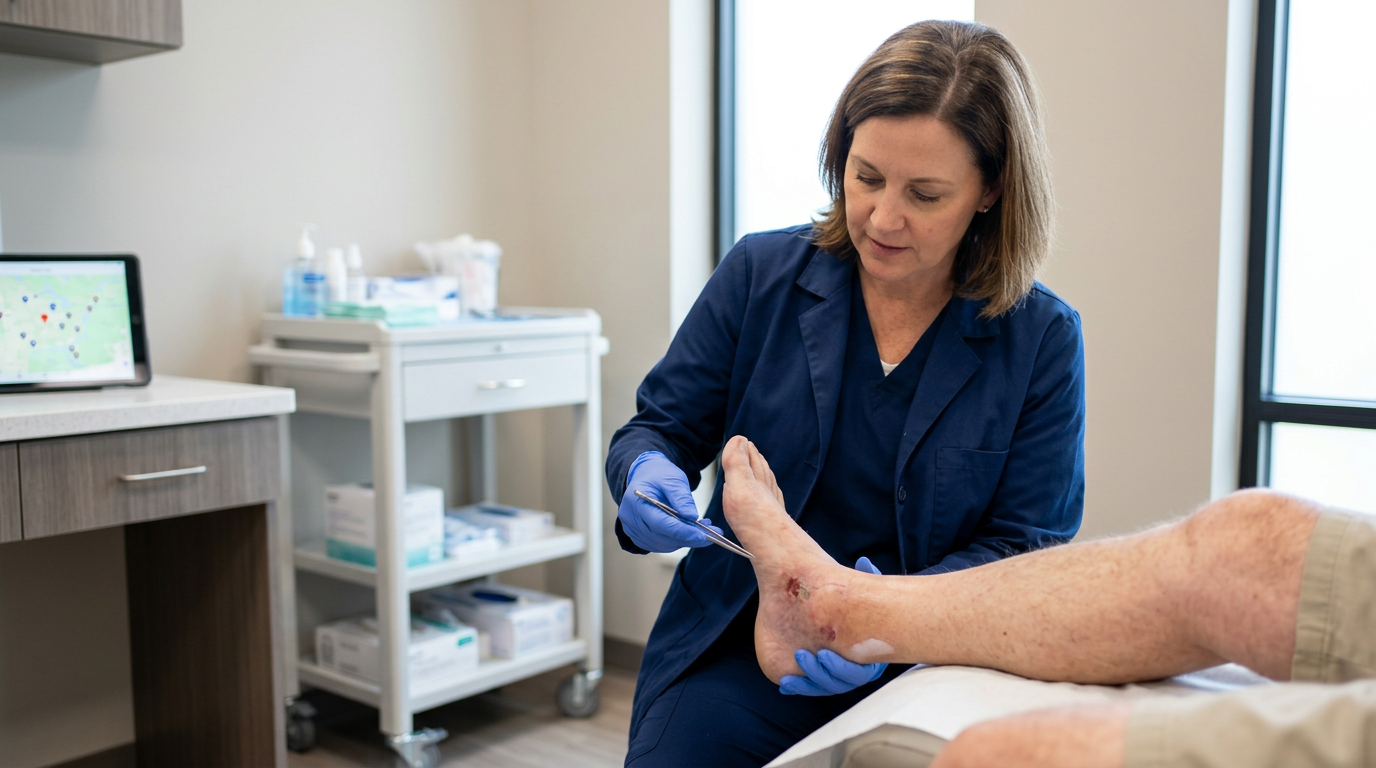
For people with diabetes, reduced sensation (neuropathy), or circulation issues, small wounds can become serious faster. In those situations, even mild-looking nail-edge problems deserve extra caution and earlier professional evaluation.
Common Missteps That Keep It Coming Back
- Cutting a deep “V” into the nail: this old myth doesn’t reliably change growth direction and can create jagged edges.
- Digging under the nail with clippers, scissors, or pins: can tear skin, increase swelling, and raise infection risk.
- Ripping off the corner: often leaves a sharp fragment that grows inward like a tiny spear.
- Ignoring shoe fit: even perfect nail care won’t help if the toe is constantly squeezed.
- Using harsh chemicals on broken skin: can irritate tissue and delay healing.
- Delaying care when you’re high-risk: diabetes, neuropathy, or poor circulation changes the safety calculus.
A Smart Home-Care Plan for Mild Nail-Edge Irritation
- Soak the foot in warm water for comfort and to soften the area; dry thoroughly afterward.
- Keep it clean and dry throughout the day; change socks if they get damp.
- Reduce pressure by wearing shoes with a wide toe box or open-toe footwear when appropriate and safe.
- Protect the area with a simple bandage if rubbing is unavoidable; replace it if it gets wet or dirty.
- Trim nails straight across once the nail is long enough to cut cleanly—avoid rounding the corners.
- Monitor daily for worsening redness, swelling, drainage, or increasing pain.
Practical example: If your big toe feels tender at the nail corner after a long day in tight dress shoes, switching to a wider toe box and doing warm soaks for a couple of days may reduce irritation—provided there’s no drainage, spreading redness, or significant swelling.
When It’s Time to See a Podiatry Professional
Consider professional evaluation if any of the following apply:
- Signs of infection: pus/drainage, spreading redness, warmth, worsening swelling, or increasing pain.
- You can’t wear normal shoes or walking becomes difficult.
- Symptoms keep returning in the same toe despite careful trimming and footwear changes.
- You have diabetes, neuropathy, or circulation problems (even mild irritation can be higher risk).
- You suspect a nail injury or the nail is growing abnormally after trauma.
Frequently Asked Questions
Can I treat a painful nail corner at home?
If symptoms are mild (no drainage, no spreading redness, and pain is manageable), conservative care like warm soaks, keeping the area clean/dry, and reducing shoe pressure may help. If symptoms worsen or don’t improve, it’s safer to get evaluated.
What are signs it may be infected?
Common warning signs include increasing redness, warmth, swelling, pus or drainage, worsening pain, or a foul odor. If you notice these, seek medical care rather than attempting more home trimming.
How should I trim my toenails to help prevent recurrence?
Trim nails straight across and avoid cutting them too short. Try not to round the corners deeply; leaving the nail edge visible can reduce the chance of the nail growing into the skin.
Do tight shoes really make a difference?
Yes. Shoes with a narrow toe box can press the nail into the surrounding skin, increasing irritation and making recurrence more likely. A better fit can be a surprisingly effective part of prevention.
Why is this a bigger concern for people with diabetes?
Diabetes can affect circulation and sensation, which may make it harder to notice small injuries and can slow healing. That’s why earlier assessment is generally recommended if you have diabetes or neuropathy.
Call Cure Podiatry & Wound Care about Your Ingrown Toenail
Most nail-edge irritation improves faster when you reduce pressure, avoid aggressive “digging,” and watch closely for infection. If the problem keeps returning—or you’re seeing drainage, spreading redness, or escalating pain—getting the right help can prevent a small issue from becoming a bigger one. If you have diabetes, neuropathy, or circulation concerns, it’s especially important to treat toe wounds cautiously. When in doubt, a podiatry visit can clarify what’s going on and what options fit your situation.
Cure Podiatry & Wound Care
provides quality podiatric care in a family-friendly setting. We pride ourselves in not only diagnosing and treating your wound, but also educating our patients. Dr. Mahzoon, an ABPM Board Certified Podiatrist with extensive experience in wound care, also provides excellent foot and ankle care. We will work closely with your primary care doctor, vascular, infectious disease, and other specialists to formulate the best course of treatment. If you are in need of wound care, contact us
today to schedule an appointment.
Cure Podiatry & Wound Care
1135 Prince Ave
Athens, GA 30606
706-405-7773
https://www.curepodiatry.com/