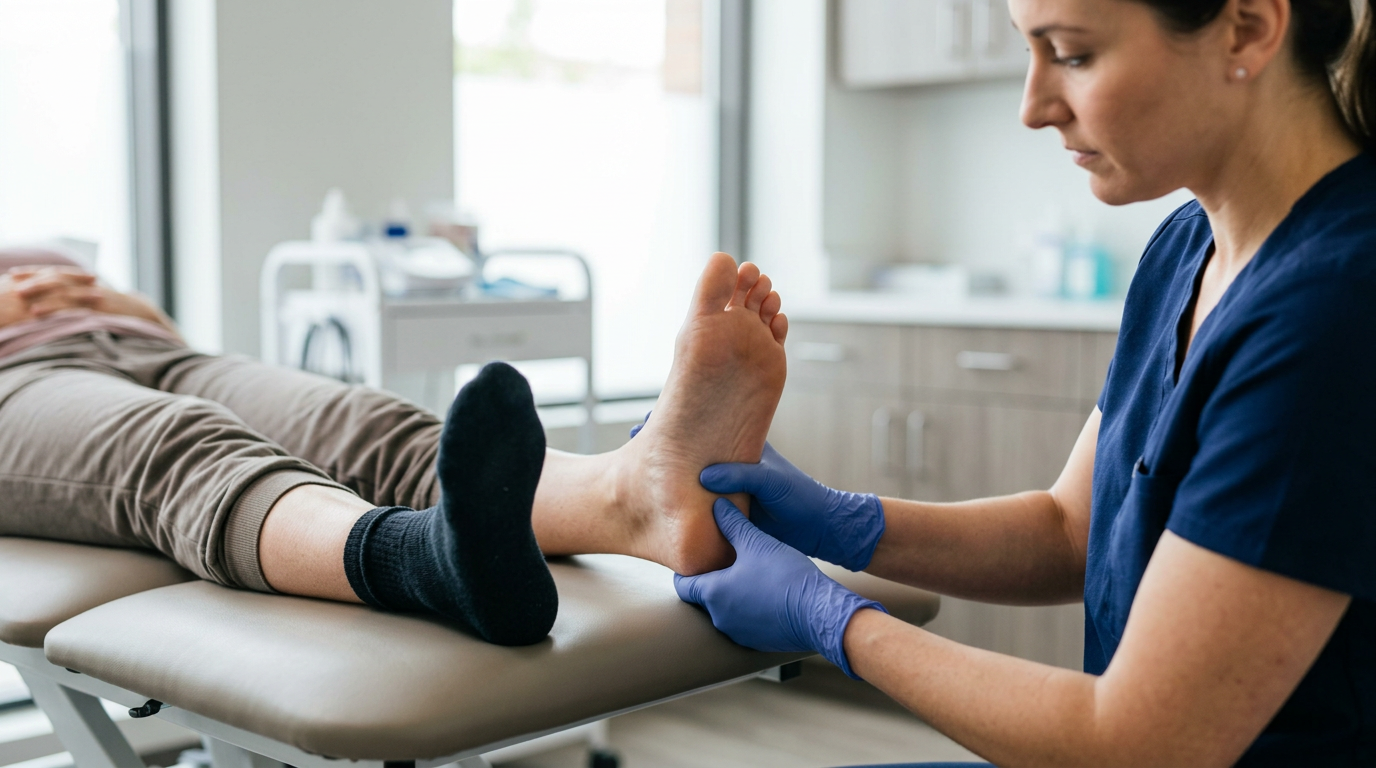

Diabetic Foot Care Checklist for the Summer
Summer routines can be hard on your feet—more walking, more sandals, more heat, and more chances for small problems to slip by unnoticed. If you have diabetes (or care for someone who does), a simple diabetic foot care checklist helps you stay consistent without turning foot health into a full-time job. This matters because minor skin breaks, pressure points, or nail issues can escalate when sensation is reduced or circulation is limited. The goal isn’t perfection—it’s catching change early, protecting your skin, and knowing when to get help. Use the checklist below to build daily and weekly habits that fit real life, whether you’re traveling, working outdoors, or just enjoying longer days on your feet. Also be sure to visit a podiatrist for diabetic foot care in your area.
What You Need to Know First
- Small issues can become big issues when feeling is reduced—daily checks help you spot changes early.
- Heat + friction + moisture are common summer triggers for blisters, cracks, and skin breakdown.
- “Open-toe” isn’t always “foot-friendly” —many sandals increase rubbing and injury risk.
- Clean, dry, moisturize (but not between toes) is a practical baseline for skin protection.
- Footwear choices matter as much as activity —support and fit reduce pressure points.
- Know your escalation signs (new redness, drainage, swelling, odor, or a wound that isn’t improving).
How Summer Changes Diabetic Foot Care Needs
Warm weather tends to increase sweat, swelling, and friction—especially if you’re walking more, wearing different shoes, or spending time near pools and beaches. Moisture can soften skin and make it easier to blister; heat can increase foot swelling, which changes how shoes fit; and sandals can expose toes and heels to cuts, stubbed injuries, or sunburn. If you have reduced sensation (neuropathy), you may not feel a hot surface, a pebble in your shoe, or a forming blister until it’s already a problem.
A summer-focused routine is less about doing “more” and more about doing the right things consistently: quick inspections, smart footwear, skin protection, and early action when something looks off.
Your High-Priority Summer Foot Care Action Plan
- ✓ Do a 60-second daily foot check — look at soles, heels, and between toes for redness, cracks, blisters, cuts, or color change. Use a mirror if needed.
- ✓ Wash and dry carefully — keep skin clean; dry well, especially between toes.
- ✓ Moisturize dry skin (not between toes) — focus on heels and tops of feet to reduce cracking.
- ✓ Choose socks that manage moisture — clean, dry socks help reduce friction; change midday if you sweat a lot.
- ✓ Wear supportive, closed-toe shoes for longer walks — especially on uneven ground or when you’ll be on your feet for hours.
- ✓ Check inside your shoes before putting them on — feel for seams, pebbles, or anything that can rub.
- ✓ Break in new shoes gradually — short wear periods at first; re-check feet after each use.
- ✓ Protect from sun exposure — sunburn on feet can damage skin; consider sunscreen on tops of feet when exposed.
- ✓ Address hot spots immediately — stop the rubbing source (shoe/sandal), pad the area if appropriate, and reduce activity that adds pressure.
- ✓ Keep a simple “foot kit” for travel — bandages, blister pads, clean socks, a small mirror, and the contact info for your medical team.
- ✓ Schedule routine foot checks as recommended — regular exams help catch issues you might not notice.
Professional Insight: The Pattern We See Most
In practice, we often see summer foot problems start with one “minor” change—new sandals, extra walking on vacation, or a little swelling that makes shoes tighter. The people who do best usually aren’t doing anything extreme; they’re consistent with quick inspections and they act early when something looks different, even if it doesn’t hurt.
When to Seek Medical Help for a Foot Issue
Use these thresholds as a practical guide—especially if you have reduced sensation, a history of wounds, or circulation concerns:
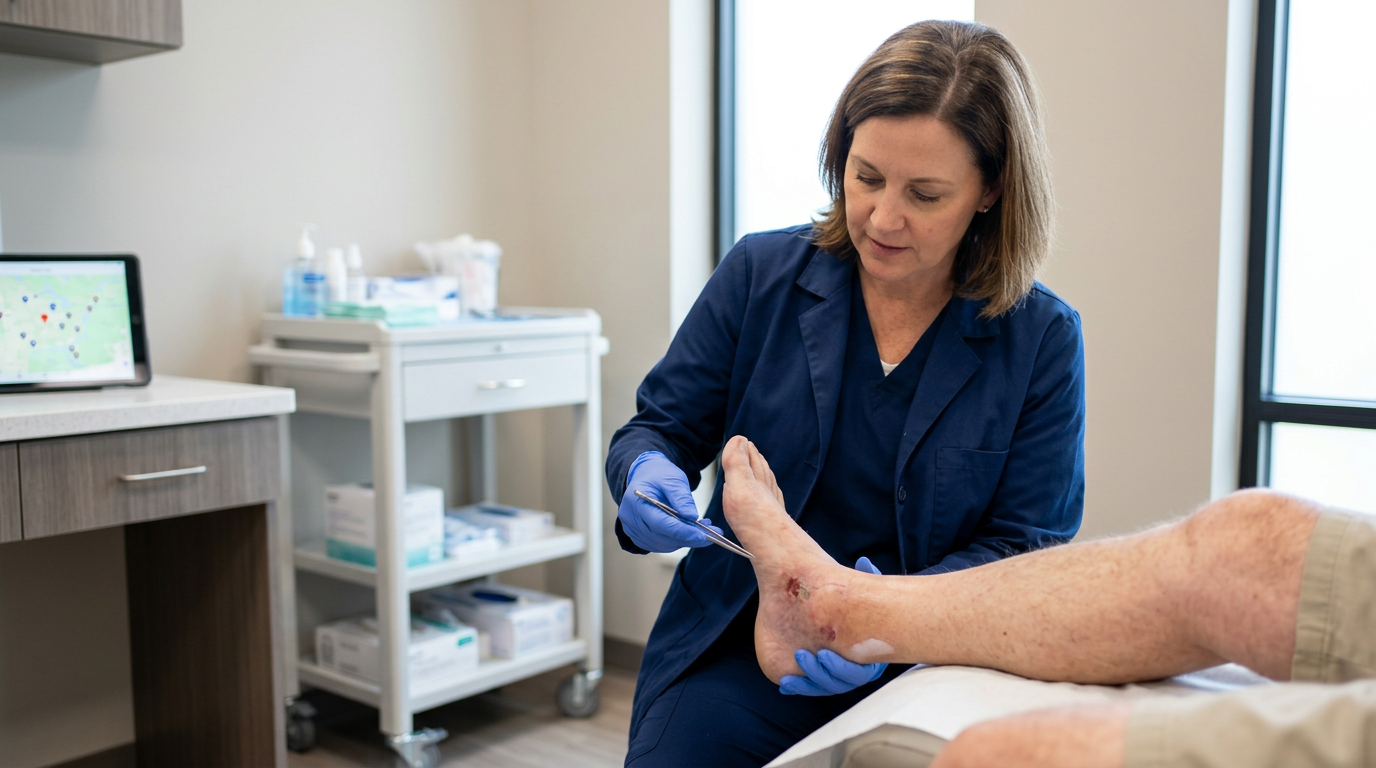
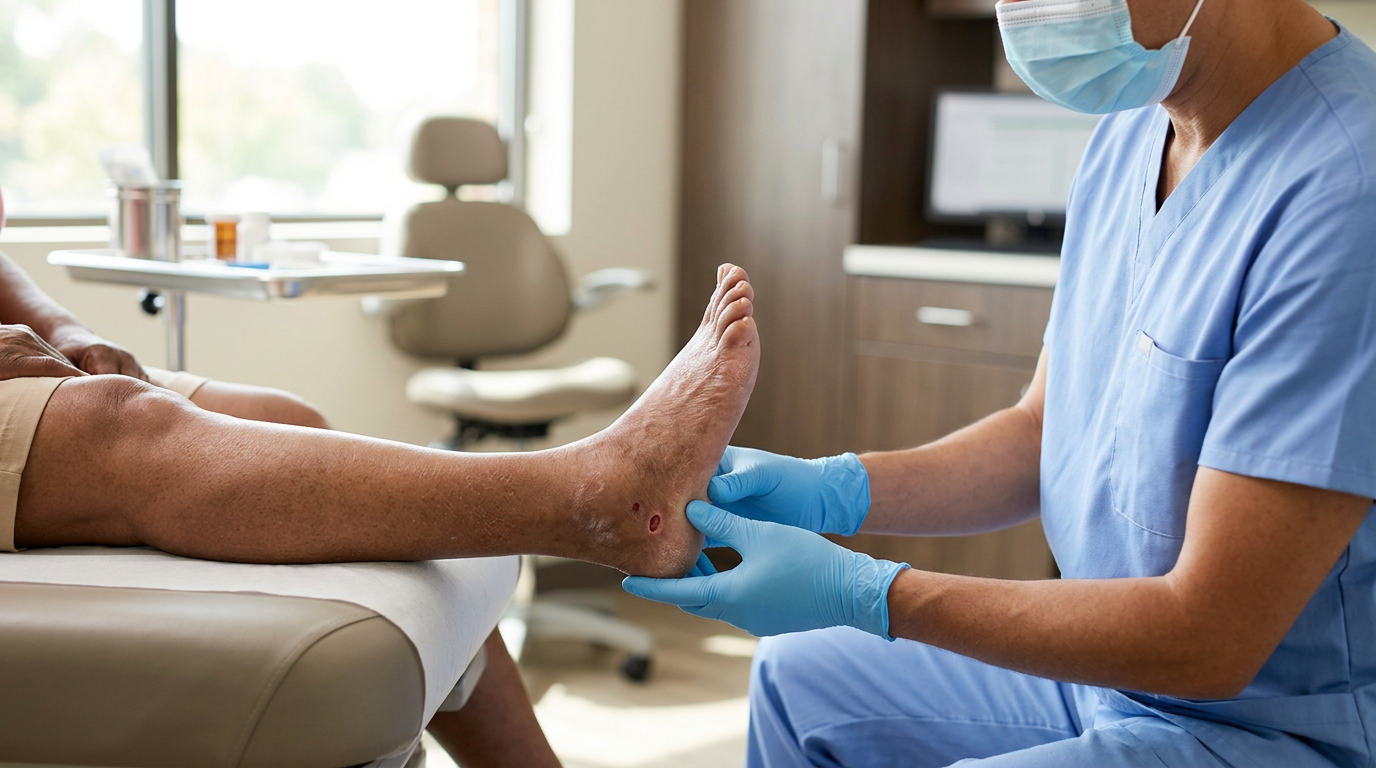
- ✓ Any open sore, cut, or blister that isn’t improving promptly or keeps reopening.
- ✓ New redness, warmth, swelling, or increasing tenderness around a spot.
- ✓ Drainage, odor, or pus from a wound or around a nail.
- ✓ Skin color changes (darkening, blue/purple areas) or sudden temperature differences between feet.
- ✓ Fever or feeling unwell along with a foot wound.
- ✓ New or worsening numbness, burning, or tingling that changes your day-to-day function.
Your Questions, Answered
How often should I inspect my feet in warm weather?
Daily is a practical standard, especially if you’re walking more or wearing different shoes. A quick check for redness, blisters, cracks, and nail issues can help you catch changes early.
Are sandals ever a safe choice if I have diabetes?
Some people can wear certain sandals, but fit and protection matter. Look for pairs that reduce rubbing, have stable support, and don’t expose toes to frequent stubbing or cuts. If you’re unsure, ask your clinician what features are appropriate for you.
What should I do if I find a blister?
Reduce friction and pressure right away by changing footwear and limiting the activity that caused it. Keep the area clean and protected, and consider medical advice if the blister opens, drains, or doesn’t improve.
Is it okay to soak my feet to soften calluses?
Soaking can increase moisture and skin softness, which may raise blister risk for some people. If you’re dealing with calluses, it’s safer to ask for guidance on appropriate care rather than trying to aggressively remove thick skin at home.
When is a foot issue considered urgent?
Seek prompt care for an open wound, spreading redness, drainage, significant swelling, or color change—especially if you have reduced sensation or a history of foot ulcers.
See our Podiatrist at Cure Podiatry & Wound Care
This checklist is designed to be realistic: quick daily checks, smart summer footwear choices, and early action when something changes. Consistency helps you reduce friction, manage moisture, and spot warning signs sooner. If you’re not sure whether a blister, crack, or nail problem needs medical attention, it’s reasonable to ask. At Cure Podiatry & Wound Care, we can provide clarity early, which can prevent weeks of frustration later.