
Bunion Treatment Options
Bunions can turn a simple walk into a constant negotiation with your shoes: “You behave, and I’ll try not to limp.” If you’ve noticed a bump at the base of your big toe, pain with certain footwear, or your toe drifting inward, you’re likely wondering what actually helps—and when it’s time to step up care. This guide is for anyone trying to make smart, realistic decisions about bunion treatment, whether your symptoms are occasional, daily, or starting to limit activities. Getting the timing right matters because bunions typically don’t improve just by “toughing it out,” and the wrong approach can keep you stuck in the cycle of irritation, swelling, and shoe frustration—especially during summer months when sandals and increased walking can expose problems fast.
How a Bunion Develops and Why it Hurts
A bunion is a structural change at the joint where the big toe meets the foot (the first metatarsophalangeal joint). Over time, the big toe may drift toward the second toe, and the joint can become prominent on the inside of the foot. Pain often comes from a mix of joint irritation, inflammation from shoe pressure, altered foot mechanics, and sometimes arthritis in the joint.
Some people mainly feel rubbing and tenderness over the bump. Others feel deep joint pain, stiffness, or a “stuck” big toe that doesn’t move well during walking. The right plan depends on which of those patterns you’re dealing with.
Why Timing Matters: Comfort, Mobility, and Skin Risk
Waiting can mean more than “more pain.” As the big toe drifts, shoe fit can worsen, calluses can build, and the second toe may start to take extra load. That can affect how you walk, which may contribute to discomfort in other areas (like the ball of the foot).
There are also practical stakes:
- Daily function: If you’re avoiding walks, workouts, or standing tasks, the issue is already costing you quality of life.
- Shoe limitations: People often end up buying larger sizes just to get width—then heel slippage and instability become a new problem.
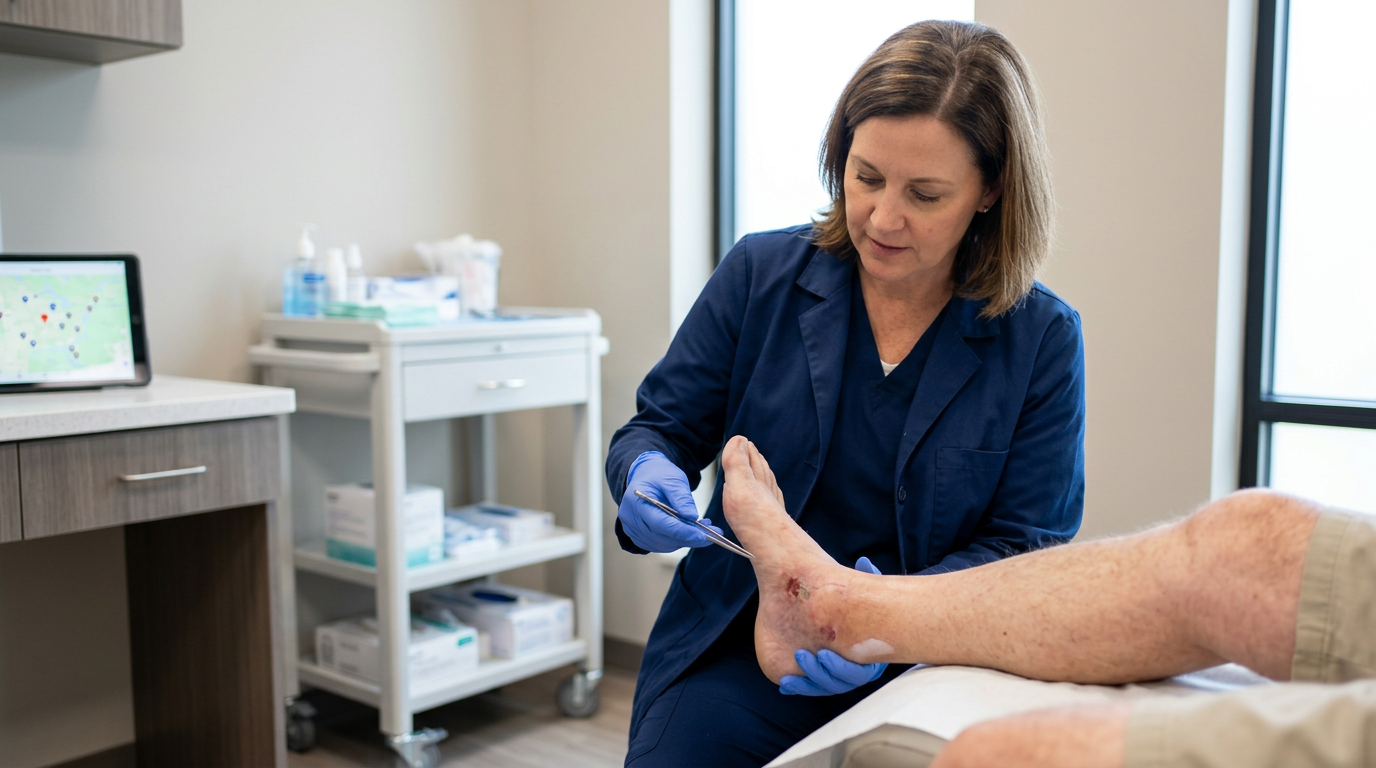
- Skin irritation: Repeated rubbing can inflame skin and create painful hot spots; for people with diabetes or reduced sensation, this can be especially concerning.
- Longer decision runway: Earlier evaluation can clarify whether conservative care is likely to be enough or whether you should start planning for next-step options.
Common Missteps That Make Bunions Angrier
- Forcing narrow shoes “because they’re broken in”: If the toe box compresses the big toe inward, the joint stays irritated.
- Relying on pain meds as the whole plan: They may reduce symptoms, but they don’t address pressure, mechanics, or footwear fit.
- Buying the longest shoe instead of the widest: Extra length can cause sliding and friction while failing to relieve the bunion area.
- Using aggressive stretching devices without guidance: Overcorrection or prolonged pressure can irritate the joint and soft tissues.
- Ignoring second-toe changes: Hammering, crossover, or pain under the second metatarsal can signal that mechanics are shifting.
- Waiting until you can’t walk comfortably: The later you seek help, the fewer low-intensity options may feel effective.
Smart Steps to Try First
- Switch to a wide toe-box shoe: Look for brands/models with multiple width options and a rounded forefoot shape.
- Use protective padding: Gel or fabric bunion pads can reduce friction where the bump rubs.
- Consider an orthotic or supportive insert: The goal is to improve foot mechanics and reduce stress through the big-toe joint during gait.
- Try a toe spacer for short periods: Many people find spacers helpful for comfort at home or after activity.
- Manage flare-ups: Relative rest, ice (if appropriate for you), and avoiding the triggering shoe/activity can calm inflammation.
- Track patterns: Note what shoes, distances, or activities trigger symptoms—this helps guide a targeted plan.
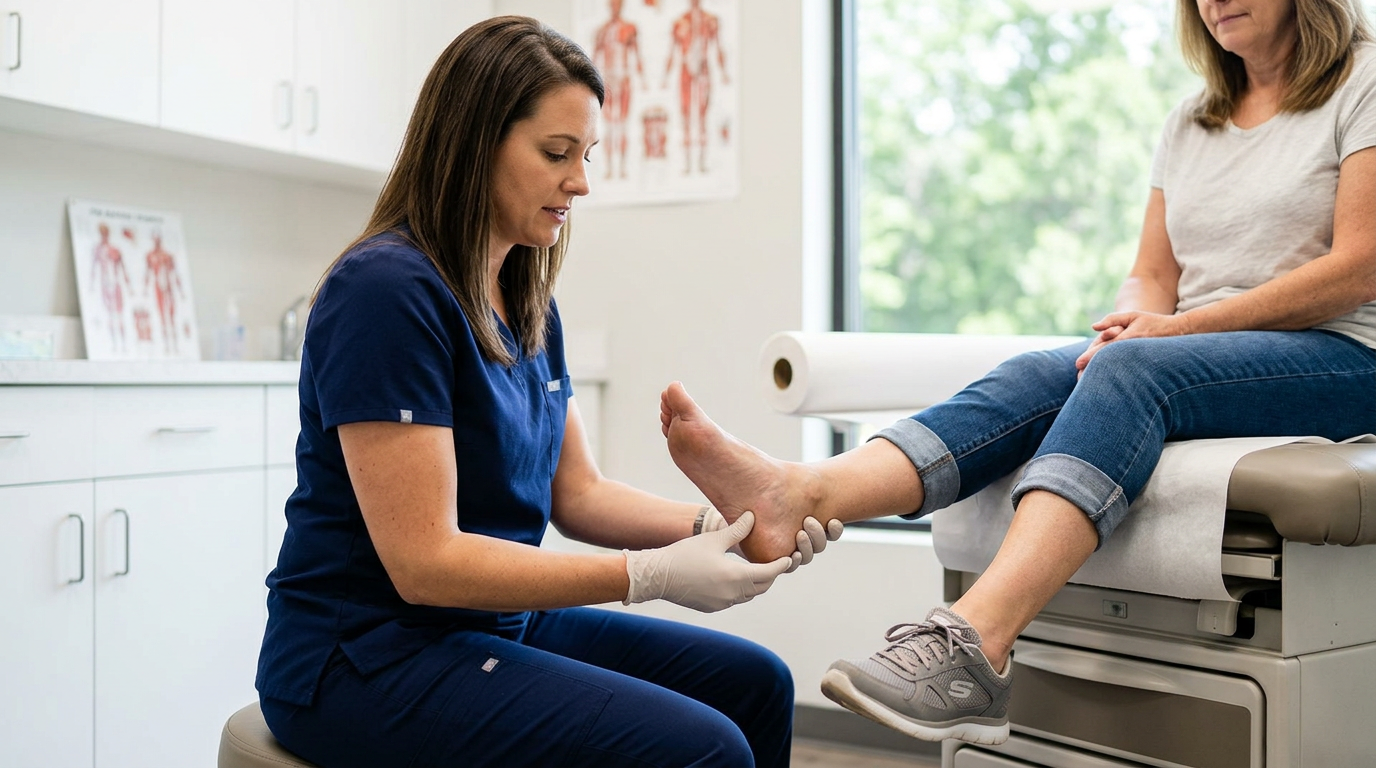
- Get an exam if symptoms persist: A clinician can assess alignment, joint motion, skin pressure points, and whether imaging is useful.
Professional Insight: The Detail Most People Miss
In practice, we often see that people focus on the bump itself, but the bigger driver of day-to-day pain is usually pressure plus mechanics : the shoe pressing on a prominent joint while the foot’s motion keeps loading the area. When you address both—better-fitting footwear and support that matches how your foot functions—many patients find their symptoms become more predictable and easier to manage, even if the visible bump doesn’t disappear.
When to Seek Medical Help for a Bunion
Consider a professional evaluation if any of the following are true:
- Pain is persistent or worsening despite shoe changes and padding.
- You’re limiting walking, work, or exercise because of the big-toe joint.
- The big toe is stiff or you feel grinding/catching in the joint.
- You’re getting recurrent blisters, sores, or skin breakdown over the bump.
- The second toe is changing position (overlapping, lifting, hammering) or you have new pain under the ball of the foot.
- You have diabetes, neuropathy, or circulation concerns and notice redness, swelling, or pressure spots.
Frequently Asked Questions
Can changing shoes really help, or is that just a temporary fix?
Shoe changes can be a meaningful first step because they reduce direct pressure and friction on the irritated joint. For many people, better fit improves comfort and decreases flare-ups, even though it typically won’t remove the bony prominence.
Do toe spacers or bunion splints correct the deformity?
They can improve alignment while you’re wearing them and may reduce discomfort for some people. However, they usually don’t permanently realign the joint. They’re best viewed as comfort and positioning tools, not a guaranteed correction.
What’s the difference between bunion pain and arthritis in the big-toe joint?
Bunion symptoms often include a prominent inner-joint bump and irritation from shoe pressure. Arthritis-related pain more commonly involves stiffness, reduced range of motion, and deeper joint pain—sometimes with less visible bump. An exam and, in some cases, imaging can help clarify what’s driving symptoms.
When is surgery considered?
Surgery is typically considered when conservative measures don’t provide enough relief and symptoms interfere with daily life. The best approach depends on factors like alignment, joint condition, and your activity needs—something a podiatric evaluation can sort out.
Is it urgent to get evaluated if I have diabetes?
If you have diabetes—especially with reduced sensation or circulation concerns—new redness, swelling, hot spots, calluses, or any skin breakdown around the big-toe joint should be assessed promptly. The goal is to reduce pressure and prevent small problems from escalating.
Choose the Next Right Step by Calling Cure Podiatry & Wound Care
Managing bunions usually starts with reducing pressure and improving how your foot functions in shoes you can actually live in. If symptoms persist, a focused evaluation can clarify what’s causing pain and what options fit your goals—whether that’s walking more comfortably, staying active, or preventing skin issues. The sooner you have a clear plan, the less time you spend guessing (and buying shoes that end up in the closet). Cure Podiatry & Wound Care is here to help! We have a location in Royston and Athens.